



Grants for non profit organizations are more than just financial support—they are a vote of confidence in a mission, a community and a vision for positive change. For many nonprofits, grants provide the stability needed to plan ahead, invest in programs and respond to urgent needs without constantly chasing donations. Yet the grant landscape can feel complex and intimidating, especially for organizations with limited staff or experience. Understanding how grants work, where to find them and how to apply effectively can make the difference between stalled ideas and meaningful impact.
Understanding the Role of Grants in the Nonprofit Sector
Grants play a unique role in nonprofit funding because they are typically awarded to advance specific outcomes aligned with a funder’s priorities. Unlike individual donations, grants often come with structured guidelines, reporting requirements and timelines. This structure can feel restrictive, but it also encourages clarity, accountability, and strategic thinking. For nonprofits that take the time to align their mission with the right opportunities, grants can become a reliable pillar of financial health rather than a one-time boost.
Types of Grants Available to Nonprofits
Nonprofit grants generally fall into several categories, each serving a different purpose. Government grants often support large-scale initiatives such as education, healthcare or community development and usually require detailed compliance. Foundation grants, offered by private or family foundations, tend to be mission-driven and relationship-oriented. Corporate grants may focus on social responsibility goals and community engagement. Understanding these distinctions helps organizations pursue opportunities that match their capacity and long-term goals rather than applying indiscriminately.
Why Strategic Alignment Matters More Than Ever
One of the most common mistakes nonprofits make is chasing every available grant. Funders can easily tell when an application is forced or misaligned. Successful grant-seeking begins with self-awareness: knowing your organization’s strengths, limitations, and core mission. When your programs naturally align with a funder’s goals, your proposal reads as authentic and compelling. This strategic alignment not only improves success rates but also builds trust and long-term relationships with funders.
Research: The Foundation of Grant Success
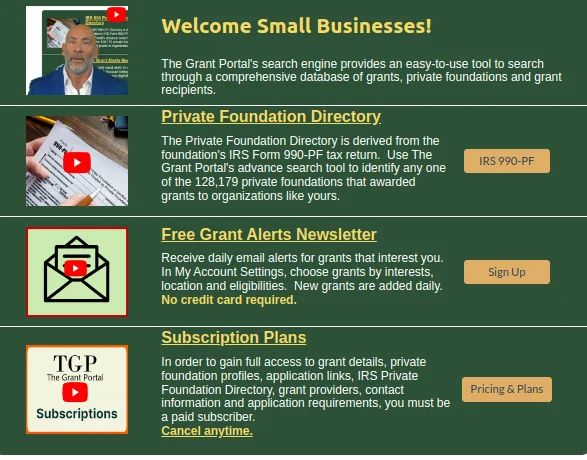
Effective grant research is both an art and a discipline. It involves identifying funders whose interests match your work, understanding their past giving patterns, and tracking deadlines and requirements. This is where centralized resources become invaluable. Platforms like The Grant Portal simplify the research process by aggregating grant opportunities in one place, saving nonprofits countless hours. With better research tools, organizations can focus more energy on crafting strong programs and less on searching blindly.
Writing Grant Proposals That Tell a Human Story
At their core, grant proposals are narratives. While data and outcomes matter, funders are ultimately supporting people and communities. A strong proposal clearly defines a problem, explains why it matters, and demonstrates how your organization is uniquely positioned to address it. Clarity, honesty and specificity go a long way. Avoid jargon, focus on real-world impact, and show how funding will translate into measurable change. Thoughtful storytelling turns an application from a checklist into a compelling case for support.
Budgeting and Financial Transparency
A well-prepared budget is just as important as a strong narrative. Funders want to see that their money will be used responsibly and efficiently. This means presenting realistic costs, clear allocations and an understanding of sustainability beyond the grant period. Transparency builds credibility. When nonprofits demonstrate strong financial management, they signal that they are trustworthy partners capable of stewarding resources wisely.
Managing Grants After the Award
Winning a grant is not the finish line—it’s the beginning of a new responsibility. Grant management includes tracking expenditures, meeting reporting deadlines and communicating progress honestly. Consistent reporting helps maintain positive relationships with funders and increases the likelihood of future support. Organizations that treat grant management as an integral part of their operations, rather than an afterthought, are better positioned for long-term funding success.
Building Long-Term Funding Relationships
The most successful nonprofits view grants as relationships, not transactions. Staying in touch with funders, sharing updates beyond required reports and expressing genuine appreciation can set an organization apart. Over time, these relationships may lead to renewed funding, larger awards, or introductions to other funders. Trust grows when nonprofits are proactive, transparent and mission-focused in their communications.
Leveraging Technology and Tools for Efficiency
Modern grant-seeking is increasingly supported by technology. Databases, calendars and tracking tools help nonprofits stay organized and competitive. Resources like The Grant Portal provide not only listings but also insights that help organizations plan smarter. By leveraging these tools, nonprofits can reduce administrative burden and focus more on delivering impact in their communities.
A Forward-Looking Perspective on Nonprofit Funding
The funding landscape continues to evolve, with increased competition and greater emphasis on measurable outcomes. Nonprofits that invest in strong grant strategies today will be better prepared for tomorrow’s challenges. This means continuous learning, refining programs and staying informed about emerging funding trends. Adaptability is no longer optional—it’s essential for sustainability.
Sustaining Mission Through Smart Grant Strategies
Finally, grants for non-profit organizationsare simply more than just money. The process of securing grants for non-profit organizations has to do with more than funding. When non-profit organizations approach grants the right way, grants are more than just sources of funding. When non-profit organizations approach grants in the right way, grants can actually help to move their mission further. This can easily be accomplished through the help of trusted sources such as The Grant Portal.

