



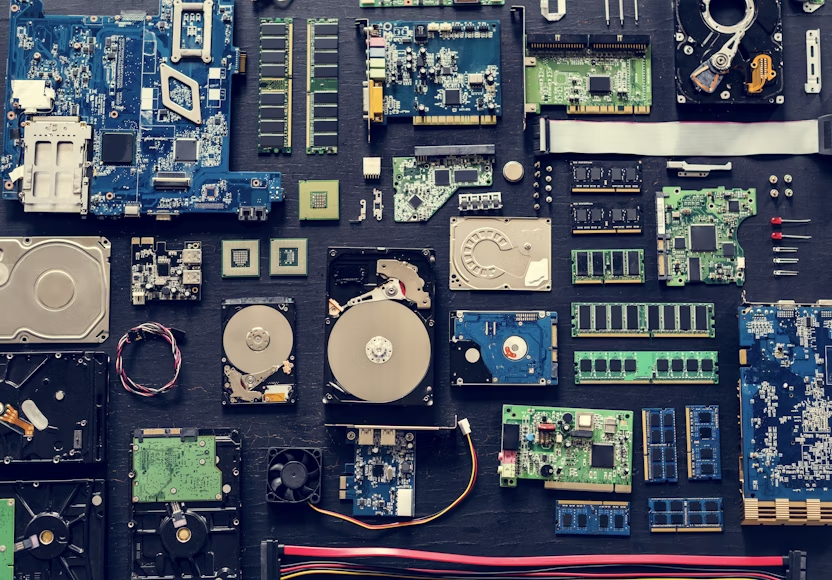
My back aches constantly. My hands carry a permanent stain of black toner dust. Fifteen years hauling electronic junk will do that to a guy. People think my job involves gently placing old phones into pristine green bins. Wrong. It’s gritty, exhausting labor.
And honestly? Most folks know absolutely nothing about proper electronics recycling. They dump a heavy printer on the curb and walk away. Out of sight. Out of mind. I spend my days standing in a dusty warehouse, fixing your lazy mistakes.
The Smell of Burnt Copper Never Fades
Walk into my processing floor on a Tuesday afternoon. A literal wall of heat hits your face. It smells like melting plastic, old ozone, and stale coffee. A sharp, chemical tang coats the back of your throat.
We process thousands of pounds of e-waste daily. Mountains of forgotten tech line the walls. Greasy keyboards. Smashed laptops coated in mysterious sticky residue. Just looking at the sheer volume makes you dizzy. We produce so much garbage. We rip these machines apart by hand.
The Nightmare of Computer Recycling
Here’s the truth about computer recycling. It rarely looks clean. You smash your thumb with a rubber mallet trying to pry open a rusted 2010 desktop case. Blood blisters form fast.
People leave their whole lives on these old hard drives. Tax returns. Passwords. Family photos from a decade ago. We destroy the drives immediately. We drop them into an industrial shredder. The machine sounds like a jet engine chewing on a bag of steel bolts. It deafens you, even through the heavy ear protection.
Screws, dust, and bleeding fingers
State regulators send us thick sorting guidelines. I tried reading the new compliance manual last week in the breakroom. Absolute trash. It offers zero professional readability. Just endless pages of legal gibberish written by guys in suits who never touched a leaking battery.
We ignore the suits. We just do the job safely. We strip the motherboards. We pull the gold pins. We sort the aluminum blocks.
The Headache of Television Recycling
You want a real, pounding headache? Let’s talk about television recycling. I don’t mean the new paper-thin flat screens. I mean the old CRT monsters from the 1990s.
Those gray boxes weigh a hundred pounds. They carry a massive electrical charge. Even unplugged for ten years, a CRT will bite you. Hard. I took a shock to my left arm back in 2014. My teeth rattled for three solid days.
Glass, gas, and heavy lifting
You must manually discharge the vacuum tube. You jam a grounded screwdriver under the rubber cap. You hear a sharp, violent crack. Then you strip the lead-lined glass. The glass is incredibly heavy. It holds zero value.
Modern flat screens snap like dry twigs. We pry off the back plastic panels. The old CCFL backlight tubes contain tiny amounts of mercury dust. Snap one in half? You evacuate the entire sorting line immediately.
Wearing masks in the summer heat
We wear thick respirators on the line. The summer heat traps the sweat against your face. You soak through your work shirt by 9 AM. But wait. We do this exhausting routine for a reason. We keep that poison out of your local water supply.
The Truth About Shredding Cables
Let me tell you about the wire strippers. People throw away miles of charging cables, extension cords, and old ethernet wires. It all arrives in giant, tangled, impossible knots.
We run these wires through a massive granulator. The machine chops the cables into tiny pieces. Then, a water table separates the heavy copper from the light plastic casing. It sounds like a constant, deafening rainstorm inside the building.
Copper looks like shiny orange sand
The pure copper comes out looking like shiny orange sand. We sell it back to manufacturers. They melt it down to make new wires for new houses. The cycle continues. Nothing gets wasted on my floor.
Why San Diego E-Waste Gets It Right
I visit different processing yards across the United States. Many look like unregulated dumps. Dim lighting. Forklifts with bald tires. Rats the size of work boots.
But I toured San Diego E-Waste last year. Totally different ballgame. Clean sorting lines. Massive ventilation fans. They actually care about their floor workers. They extract the precious metals without treating their staff like disposable robots. Good operation. Good people.
America produces too much garbage
We buy too much junk. You buy a sleek new phone. Two years pass. The battery stops holding a charge. You toss it in a desk drawer. Eventually, you throw it in a box and dump it at my dock.
The old battery swells up like an angry tick. It turns into a serious fire hazard. We catch lithium battery fires on the concrete floor almost weekly. You smell the acidic smoke before you see the bright white flame. We bury the fire in sand immediately.
Stop hoarding broken gadgets
Clear out your closets. Find a local drop-off center. Wipe your personal data first. Hand the equipment over to the professionals. We handle the dirty work. We separate the ABS plastics, the copper wire, the toxic glass. We melt it down.
Look, the warehouse siren just blew. My shift is finally over. My steel-toe boots are coated in pulverized gray plastic dust. I need a hot shower and a cold beer. But I sleep well every single night.
Proper electronics recycling protects the soil. It reclaims raw materials we desperately need for tomorrow’s technology. Do me a simple favor. Next time you upgrade your gaming rig or break an iPad screen, think about the guy holding the mallet. Do the right thing. Support local electronics recycling facilities in your city.
FAQ
Absolutely. Drill a physical hole through it if you want. We shred them anyway. But protect yourself first. Trust no one with your data.
Yes. CRT glass is highly toxic. Processors charge fees because handling it safely costs money. Pay the fee. Don’t dump it in an alley.
We remove them carefully by hand. Then we ship them to specialized smelters. They extract the lithium and cobalt for new batteries.
No. Loose cables jam the spinning gears at normal municipal recycling plants. Take them to a dedicated e-waste drop-off center.
Never. You risk inhaling mercury dust or taking a lethal shock from a capacitor. Leave the dangerous tear-downs to the pros.

